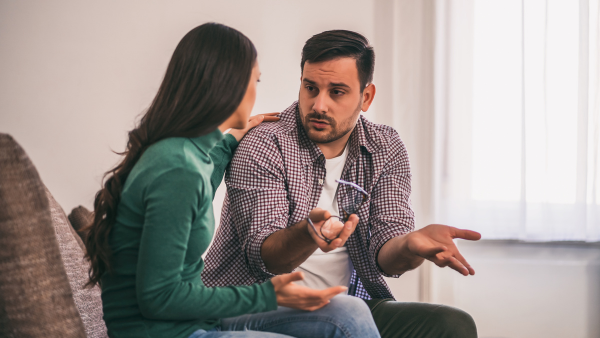
In many relationships, conversations turn into competitions without us even realizing it. We listen, not to truly understand our partner’s point of view, but to prepare our next rebuttal. We listen with the goal of being right, of winning the argument, of proving a point. But communication in a relationship isn’t about winning—it’s about connecting.
When we shift our intention from “being heard” to “truly hearing,” something powerful happens. Our partner feels seen. They soften. And in that emotional safety, connection deepens.
Listening to understand means being present. Not just hearing words, but sensing what’s behind them—the emotions, the fears, the hopes, and the unmet needs. It means putting aside the need to fix, defend, or offer quick solutions, and instead staying curious. Asking, “Tell me more about that,” or “How did that feel for you?” opens the door to deeper sharing.
This kind of listening also requires managing our own emotional reactivity. If something stings or triggers us, it’s tempting to jump in. But pausing, breathing, and choosing to stay engaged with empathy helps us hear what’s really being said—not just what our emotions are interpreting.
Often, couples fall into communication patterns where each person is simply waiting for their turn to speak. In these moments, no one feels heard, and conversations spiral into frustration or silence. But when one person chooses to listen with the intention of understanding rather than scoring points, the dynamic can shift completely.
To begin practicing this, try setting an intention before a conversation: “I want to understand where you’re coming from.” Then focus your full attention—put down the phone, turn off the TV, and listen with your whole body. Nodding, making eye contact, and occasionally summarizing what you heard (“So what I’m hearing is…”) are all small but powerful ways to show that you’re engaged.
Listening to understand isn’t always easy, especially when emotions are high or trust has been damaged. But it’s one of the most healing things we can offer in a relationship. It tells your partner, “You matter to me. Your experience matters. I want to understand, even if I don’t agree.”
Over time, this kind of listening builds emotional safety—the foundation of lasting love.
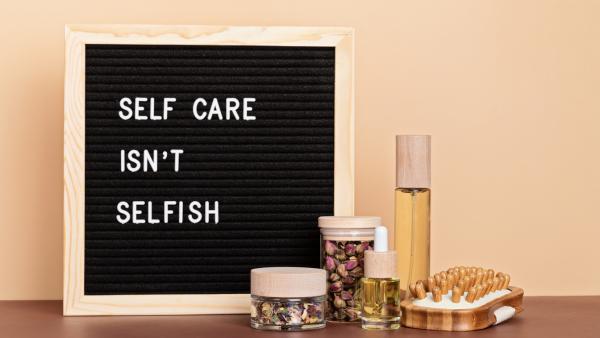
Self-care is often misunderstood. Many people equate it with spa days or time away from their responsibilities, branding it as indulgent or even selfish. But in the context of relationships, self-care is anything but selfish—it’s essential. When you care for your own mental, emotional, and physical well-being, you become a more grounded, attentive, and loving partner.
Think of self-care as relationship medicine. When both partners are tending to their individual needs, the relationship becomes a space of shared wellness rather than mutual depletion. If one or both people are burned out, resentful, or emotionally dysregulated, the connection suffers—not because they don’t love each other, but because love can’t thrive in a depleted state.
Self-care also models healthy boundaries and respect. When you show up rested, centered, and self-aware, you create a ripple effect. You normalize emotional regulation. You normalize taking breaks. You normalize saying, “I need a moment,” or “I can’t give my best to this conversation right now, but I will when I’ve reset.”
Relationships aren’t built solely on grand gestures or deep conversations. They’re built on how we show up day after day. And self-care determines the quality of that presence. When you’ve taken care of yourself—whether by getting enough sleep, managing stress, or spending quiet time alone—you bring patience instead of irritation, curiosity instead of defensiveness, and generosity instead of resentment.
You are not responsible for your partner’s self-care, and they are not responsible for yours. But you are both responsible for the energy you bring to the relationship. And when that energy is fueled by self-love, self-respect, and personal responsibility, the relationship becomes a space of true connection—not codependency or emotional burnout.
So, the next time you feel guilty for taking care of yourself, remember: you’re not pulling away from your partner. You’re pouring into the relationship from a fuller cup.
In the early stages of a relationship, love can feel effortless. You’re discovering each other, sharing new experiences, and creating memories. But as time passes, staying connected requires more than shared routines—it requires shared growth. And at the heart of that growth is personal development.
Too often, couples focus solely on growing together while neglecting the importance of growing individually. But long-term love thrives when both partners are committed to becoming the best version of themselves—not just for the relationship, but for their own well-being and fulfillment.
Why does personal development matter so much in love?
Because stagnation is a slow erosion of intimacy. When one or both partners stop investing in their own evolution, the relationship risks becoming repetitive, unbalanced, or unfulfilling. On the other hand, when each person pursues their passions, builds emotional intelligence, and sets personal goals, the relationship is infused with fresh energy, perspective, and purpose.
Self-growth improves communication.
When you work on yourself—whether through therapy, reading, journaling, or practicing mindfulness—you learn how to express your needs more clearly and listen more deeply. This creates a foundation for honest, compassionate conversations and reduces unnecessary conflict.
You bring more to the relationship.
A partner who is engaged in their own life, who is actively learning, healing, or building something meaningful, brings richness to the relationship. You have more to share, more to inspire each other with, and more ways to connect beyond the surface level.
You avoid codependency.
One of the silent relationship killers is the loss of self. When your identity becomes too entangled with your partner’s, it can lead to unhealthy dependence. Personal development creates emotional resilience, confidence, and a sense of inner stability that makes the relationship stronger—not weaker.
So how can couples encourage personal growth?
Start by supporting each other’s interests, no matter how different they are. Respect each other’s need for solitude, study, or space. Celebrate milestones and small wins, whether it’s finishing a course, learning a new skill, or making progress on a goal.
Schedule regular check-ins—not just about the relationship, but about how you’re growing as individuals. Ask questions like, “What’s something new you’ve learned about yourself lately?” or “Is there anything you want to explore or try this year?”
Ultimately, personal development is not a solo journey that pulls you away from love. It’s the very thing that allows love to deepen over time. When both people commit to evolving, the relationship becomes a space not just of comfort—but of inspiration.

When people think about romance, they often imagine candlelit dinners, weekend getaways, or grand declarations of love. But real romance? It often lives in the ordinary. It’s found in stolen glances, playful nudges, and spontaneous flirtation—especially the kind that takes less than five minutes.
Flirting isn’t just for new relationships. In fact, when practiced regularly, it can be one of the most powerful tools for keeping long-term love alive. It reignites attraction, creates lightness, and reminds partners that their connection isn’t just functional—it’s fun.
A five-minute flirt is exactly what it sounds like: a short, intentional moment of connection that adds a spark to your everyday routine. It could be a wink and a whispered compliment while making coffee. A playful pat on the behind as one of you leaves the room. A quick, flirty text during the workday. These aren’t time-consuming or elaborate, but they’re deeply impactful.
Why? Because flirtation sends a message: “I still choose you. I still see you as desirable. I still want to make you smile.” It interrupts the autopilot many couples fall into and creates a mini moment of novelty. That’s important, because novelty is one of the key ingredients that fuels romantic chemistry.
Flirtation also helps soften tension. If your day has been full of stress, a lighthearted moment with your partner can offer a much-needed reset. It’s not about ignoring the hard stuff—it’s about remembering that your relationship is also a safe space for joy, laughter, and attraction.
The beauty of the five-minute flirt is that it doesn’t require planning or a special occasion. It simply asks for presence and playfulness. When couples integrate these micro-moments into their everyday lives, they often find their emotional and physical intimacy naturally begins to grow.
In long-term love, grand gestures have their place—but it’s the little things, done often, that truly sustain desire. A five-minute flirt is a tiny invitation to reconnect, to smile, and to remember why you fell in love in the first place.

Emotional availability is the invisible thread that weaves intimacy, trust, and connection in a relationship. It’s not about grand gestures or being endlessly romantic. It’s about being present and responsive when it matters most. When both partners are emotionally available, the relationship becomes a space where vulnerability is welcomed and support is steady.
But emotional availability is often misunderstood. It doesn’t mean you have to be emotionally perfect or always know what to say. It means you’re open—willing to feel, share, and be affected by your partner’s emotions. That openness creates a safe environment where both people feel they can show up fully.
What does emotional availability look like?
It’s the partner who notices when you’ve had a hard day and asks, “Want to talk about it?”
It’s the ability to say, “I don’t have the answers, but I’m here with you.”
It’s offering your attention, empathy, and care even when your own day has been difficult.
Why it matters so much
Without emotional availability, a relationship can feel emotionally lopsided—one partner always reaching, the other always retreating. Over time, this creates frustration, loneliness, and even resentment. When emotional needs aren’t met, intimacy fades, and a wall can form between two people who were once close.
Signs of emotional unavailability
-
Avoiding vulnerable conversations
-
Shutting down or getting defensive when feelings arise
-
Distracting with work, screens, or substances
-
Inability to express one’s own emotions
-
Dismissing or minimizing the feelings of others
Emotional unavailability isn’t always intentional. Sometimes it stems from past trauma, learned behaviors, or fear of intimacy. That’s why compassion is key—both for your partner and for yourself.
How to become more emotionally available
-
Practice emotional self-awareness.
Name your feelings. Journal, talk to a friend, or reflect. The better you know your own emotional landscape, the more clearly you can share it with someone else.
-
Respond instead of react.
When your partner opens up, resist the urge to fix, judge, or dismiss. Pause. Breathe. Ask what they need. Listening is often more powerful than solving.
-
Let go of emotional perfectionism.
You don’t need to say the perfect thing. Just be there. Your presence speaks volumes.
-
Work through your own walls.
If you find yourself withdrawing or numbing out, gently explore why. Therapy, support groups, or inner work can help you understand what’s behind the emotional guardrails.
At its heart, emotional availability is about being open-hearted—even when it’s hard. It’s about showing up, staying present, and saying, “I’m here for you. I care.” And in that space, love has room to grow.
