
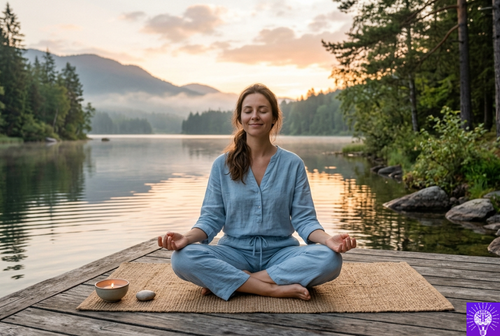
Introduction to Mindfulness
In today’s fast-paced world, where distractions abound and stress levels continue to rise, the concepts of mindfulness and intentional living have gained significant traction. Mindfulness is the practice of being present and fully engaged in the moment, allowing individuals to cultivate awareness and appreciation for their experiences. This guide will delve into the principles of mindfulness, explore the role of meditation, and provide actionable strategies for integrating these practices into daily life.
Definition of Mindfulness
Mindfulness can be defined as the psychological process of bringing one’s attention to the present moment. This practice encourages individuals to observe their thoughts, feelings, and bodily sensations without judgment. It is rooted in ancient meditation traditions, particularly within Buddhism, but has been adapted in various contexts to promote mental well-being. By acknowledging emotions and sensations as they arise, individuals can better manage stress, anxiety, and other mental health challenges.
Importance of Mindfulness in Daily Life
The importance of mindfulness extends beyond mere relaxation. Research has shown that regular mindfulness practice can lead to improvements in emotional regulation, cognitive flexibility, and overall psychological health. Engaging in mindfulness allows individuals to respond to stressors with clarity rather than react impulsively. Moreover, it fosters a greater appreciation for life’s simple pleasures, enhancing overall satisfaction and well-being.
The Role of Meditation in Mindfulness
Meditation serves as a foundational practice for developing mindfulness. By dedicating time to meditation, individuals can train their minds to focus and cultivate a deeper sense of awareness. There are various meditation techniques, each with its unique approach and benefits. Understanding these techniques can help individuals find a meditation style that resonates with them.
Types of Meditation Techniques
Some common types of meditation include:
- Mindfulness Meditation: Involves paying attention to thoughts and sensations in a non-judgmental way.
- Guided Meditation: Involves following a recorded or live instructor who provides direction throughout the session.
- Transcendental Meditation: A specific form of silent mantra meditation aimed at achieving deep relaxation and inner peace.
- Loving-kindness Meditation: Focuses on developing an attitude of love and kindness towards oneself and others.
Each technique can be beneficial depending on individual preferences and goals. Experimenting with different styles can help individuals discover what best fits their lifestyle.
Benefits of Regular Meditation Practice
The benefits of regular meditation practice are well-documented. Studies have shown that individuals who meditate consistently report lower levels of stress and anxiety, improved emotional health, and enhanced focus. Regular meditation can also contribute to better sleep quality and increased resilience in facing life’s challenges. Additionally, it can foster greater empathy and compassion, improving interpersonal relationships.
Intentional Thinking: A Path to Clarity
Intentional thinking is another essential aspect of mindfulness and self-awareness. This practice involves making conscious choices and cultivating clarity in one’s thought processes. By engaging in intentional thinking, individuals can align their actions with their values and goals, leading to a more fulfilling life.
What is Intentional Thinking?
Intentional thinking is the practice of reflecting on one’s thoughts and decisions with purpose and clarity. It encourages individuals to examine their motivations and the potential impact of their choices on their lives and those around them. This self-reflective process not only enhances awareness but also promotes accountability and responsibility in personal and professional contexts.
Strategies for Developing Intentional Thinking
To cultivate intentional thinking, consider the following strategies:
- Journaling: Regularly writing down thoughts and feelings can provide clarity and insight into decision-making processes.
- Mind Mapping: Visualizing ideas and goals can help in organizing thoughts and identifying connections.
- Setting Intentions: Begin each day by setting clear intentions that reflect your values and aspirations.
- Regular Reflection: Take time to reflect on decisions and outcomes to learn from experiences and adjust future actions.
Implementing these strategies can lead to greater awareness and purposeful living, enabling individuals to navigate their lives with intention and confidence.
Taking Action: Implementing Mindfulness Practices
Integrating mindfulness practices into daily routines can be transformative. The key is to create a sustainable mindfulness routine that fits seamlessly into one’s lifestyle. This may require commitment and experimentation, but the rewards are well worth the effort.
Creating a Mindfulness Routine
To create a mindfulness routine, start by identifying specific times during the day when you can dedicate moments to practice. Consider incorporating mindfulness into existing activities, such as:
- Mindful Mornings: Begin your day with a few minutes of meditation or deep breathing exercises to set a positive tone.
- Mindful Eating: Practice being present during meals by savoring each bite and eliminating distractions.
- Mindful Walking: Take walks in nature or around your neighborhood with a focus on the sensations of your body and the environment.
By establishing a routine that incorporates mindfulness at various points throughout the day, individuals can gradually build their practice and enhance their overall well-being.
Overcoming Barriers to Mindful Action
While the benefits of mindfulness are numerous, individuals may face obstacles when trying to implement these practices. Common barriers include time constraints, distractions, and self-doubt. Recognizing these challenges is the first step in overcoming them.
To navigate these barriers, it is essential to prioritize mindfulness as a commitment rather than a chore. Start with short sessions and gradually increase the time spent on mindfulness practices as you become more comfortable. Additionally, consider joining a community or group to share experiences and gain support, which can enhance motivation and accountability.
Conclusion: Embracing Mindfulness for a Healthier Life
In conclusion, mindfulness and intentional living are powerful tools for enhancing mental and emotional well-being. By understanding the principles of mindfulness, exploring meditation techniques, and developing intentional thinking, individuals can implement these practices into their daily lives. Embracing mindfulness allows for greater clarity, improved emotional regulation, and a more fulfilling life.
Recap of Key Concepts
This guide has covered the following key aspects of mindfulness:
- The definition and importance of mindfulness in daily life.
- The role of meditation in cultivating mindfulness.
- Strategies for developing intentional thinking to enhance clarity.
- Practical steps for creating a sustainable mindfulness routine.
- How to overcome common barriers to mindful action.
Encouragement for Continued Practice
Mindfulness is a lifelong journey that requires patience and dedication. By committing to regular practice and embracing the principles of mindfulness and intentional living, individuals can unlock a more peaceful, joyful, and fulfilling existence. Remember, every small step towards mindfulness contributes to overall well-being.
FAQs
What is the best time to practice mindfulness?
While mindfulness can be practiced at any time, many people find that early mornings or quiet evenings are the most effective for establishing a routine.
Do I need a quiet space for meditation?
While a quiet space can enhance focus, mindfulness can also be practiced in more dynamic environments. The key is to find a way to center your attention regardless of surroundings.
How long should I meditate each day?
Starting with just five to ten minutes daily is beneficial. As you become more comfortable, you can gradually extend the duration.
Can mindfulness help reduce anxiety?
Yes, numerous studies have shown that mindfulness practices can significantly reduce anxiety levels by promoting relaxation and emotional regulation.
Is mindfulness suitable for everyone?
Mindfulness is accessible to individuals of all backgrounds and ages. However, it may be helpful to consult a mental health professional for those with severe psychological challenges.