
We’ve spent the last few years obsessed with individual optimization. We track our sleep stages, weigh our protein, and time our cold plunges with surgical precision. But in this hyper-fixation on the self, we’ve overlooked a biological necessity that is just as vital as clean water or oxygen: each other.
Recent data is making it clear that isolation isn’t just a bummer; it’s a physiological stressor. When we lack consistent, meaningful interaction, our bodies interpret that silence as a threat. Cortisol spikes, inflammation markers rise, and our cellular aging accelerates. Longevity isn’t just a solo sport; it’s a team event.
The biology of belonging
Your nervous system is designed to co-regulate. This means that when you are in the presence of people you trust, your heart rate variability improves and your brain produces oxytocin—a hormone that actively repairs heart tissue and lowers blood pressure.
Think of social fitness as a workout for your emotional resilience. Just as lifting weights creates micro-tears that lead to stronger muscle, navigating the nuances of human relationships keeps your cognitive functions sharp and your stress response flexible. Without this “social load,” our mental and physical systems begin to atrophy.
Building a social fitness routine
Treating social health as a “routine” might sound clinical, but in an age of digital isolation, it’s the only way to ensure it happens. This isn’t about having a thousand followers; it’s about having three people you can call when things fall apart.
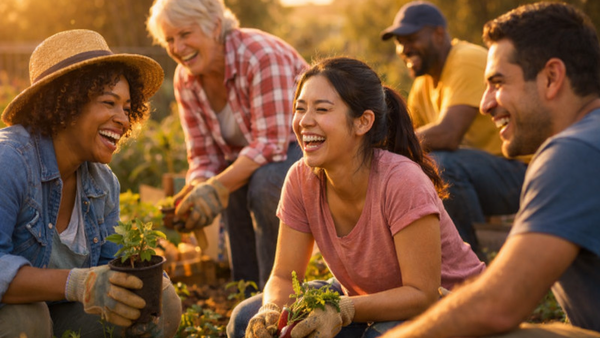
To start, look for “third spaces”—environments that aren’t your home or your office where you can exist without the pressure of productivity. Whether it’s a local run club, a community garden, or a regular coffee shop meetup, the goal is repeated, unplanned interaction. This consistency builds the “weak ties” that researchers say are essential for a sense of belonging and long-term brain health.
Co-regulation as a performance hack
If you want to perform better in your career or your fitness, stop trying to do it in a vacuum. High-level performers are shifting away from the “lone wolf” mentality because it’s biologically inefficient. When you work or train alongside others, your brain enters a state of flow more easily.
This is the hidden secret of the world’s longest-living populations. They don’t just eat well; they eat together. They don’t just move; they move with a purpose that involves their neighbors. By integrating others into your wellness goals, you turn a chore into a lifestyle.
The most sophisticated biohack available right now doesn’t come in a bottle and it doesn’t require a subscription. It’s the simple, radical act of showing up for someone else and letting them show up for you. As we look at the future of wellness, the focus is shifting from “What am I eating?” to “Who am I eating with?” Prioritizing your social fitness might be the one thing that adds more years to your life—and more life to your years—than any other habit in your toolkit.